
Someone who strives to increase the probability of success of new drug development by mastering cutting-edge organoid culture
- Recruitment
- Development


Achieving growth through the many opportunities given him
Kai Tanaka majored in life sciences at graduate school, where he conducted research into phytohormones. He originally intended to continue basic research in academia. ‘I like exploring truth through research, so I was planning to go on and do my doctorate, but at the basic research level, it is difficult to pass on the outcomes of research to society. Becoming increasingly frustrated by that fact, I decided that I wanted to work in the pharmaceutical industry, because I wanted to engage in research activity that would make a more direct contribution to society. I looked into a number of companies, and I became interested in Chugai Pharmaceutical. This company has a track record in the research and development of antibody drugs, as well as advanced technological capabilities. I was also attracted by the company’s alliance with Roche, which, I believe, will enable large-scale research and development.’
Tanaka ultimately decided on Chugai Pharmaceutical because he was drawn to the then department head he met at the job interview. ‘They were very passionate about drug discovery and their empathy toward patients shone through in every word they spoke. I felt strongly that I wanted to work in research and development under that department head, so I decided to join Chugai Pharmaceutical.’ After joining the company, Tanaka’s first assignment was to develop methods for measuring agents in human blood. Tanaka’s task was to clarify how much of the agent administered to patients in a clinical study is absorbed by the human body by measuring changes in the agent’s composition. In his second year at the company, he was assigned to be the leader in charge of measurement of samples in an actual clinical study. ‘My supervisor kept giving me one opportunity after another and entrusted me with important jobs while I was young. I worked feverishly at that time, and when I look back, I think that my supervisor’s consideration allowed me to achieve major growth.’
The challenge of building an unknown cell culture model that has no precedents.
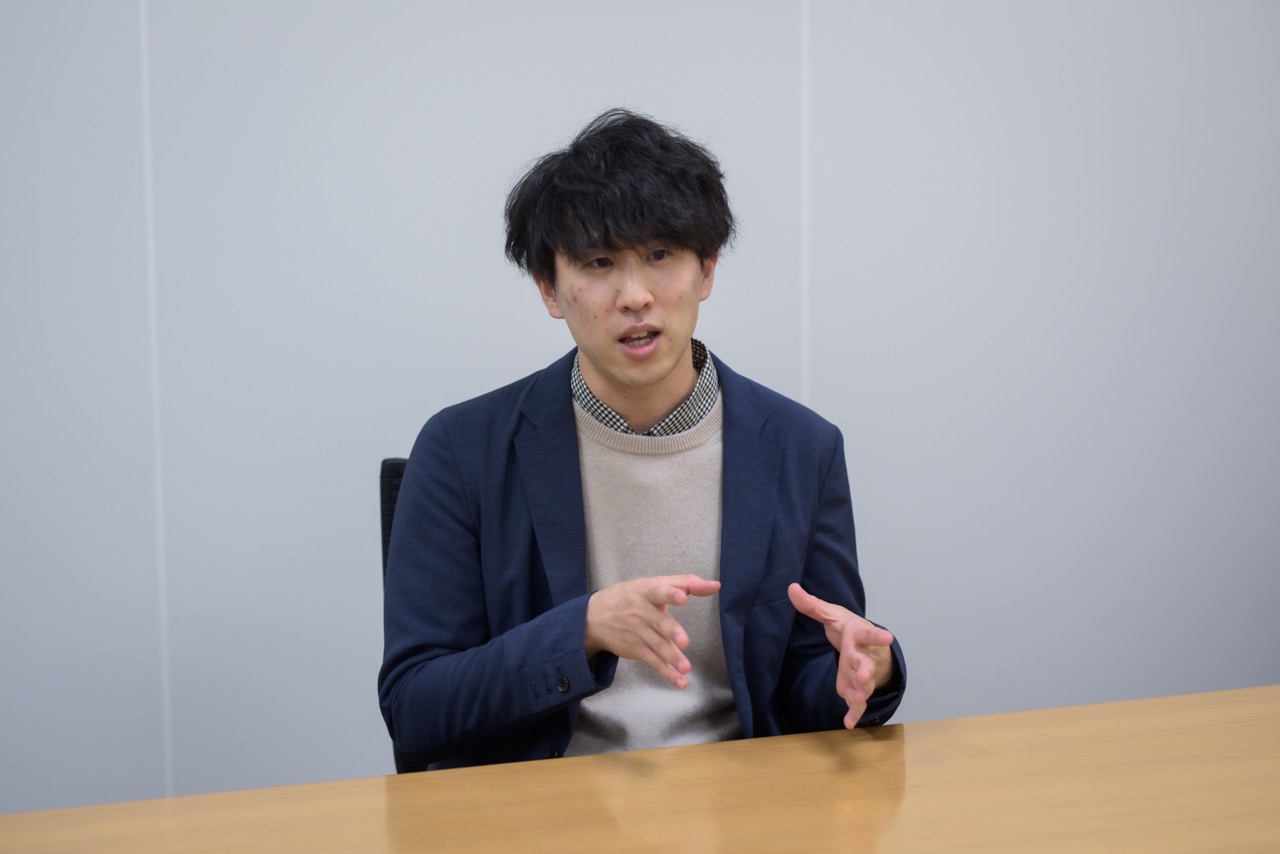
Connecting non-clinical and clinical domains smoothly for the sake of patients
Tanaka says that being part of the Roche Group gives Chugai Pharmaceutical a significant advantage in progressing the construction of organoid culture models. ‘Roche leads the world in 3D cell culture technology. It has partnerships with world-famous labs and start-ups, and possesses a wealth of cutting-edge insights and knowledge. I have many opportunities to discuss my work with researchers at Roche, which I find very stimulating. I have made many new discoveries, which motivates me to go even further with my own research.’ Tanaka is currently working on a model for the culture of organoids from adult stem cells that have regenerative capacity, but organoids can also be developed from human induced pluripotent stem cells (iPSC). In a bid to comprehend the methods for culture from iPSC, Tanaka is endeavoring to absorb knowledge by reading various articles on the topic.
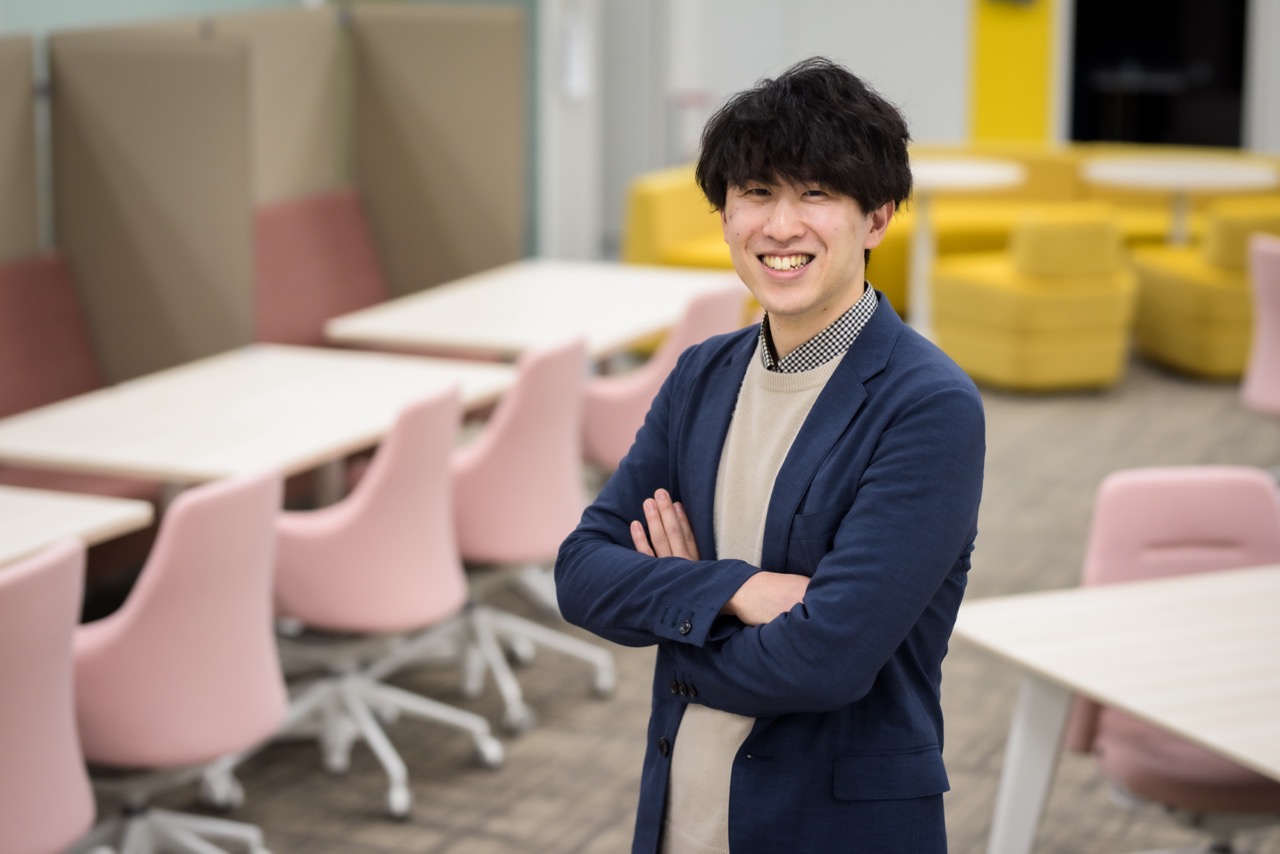
Tanaka hopes to assist development projects for all kinds of drug discovery with organoids that he himself has developed. ‘There have been many cases in which a new drug candidate was found to be effective in non-clinical development but it did not produce the desired outcome when administered to patients in clinical studies, resulting in the failure of the project. Introducing organoid culture technology will make the transition from non-clinical to clinical smoother, increasing the probability of success in drug development. In turn, we will be able to deliver new drugs to patients more quickly. I want to delve more deeply into translational research that connects the non-clinical and clinical domains.’ According to Tanaka, ‘Chugai Pharmaceutical has a corporate culture that is tolerant of errors and that encourages employees to take on challenges.’ Tanaka is determined to make the most of this environment to make breakthroughs in cutting-edge fields.
*The contents of this article, and the divisions that the people featured in this article belonged to and the names of those divisions are current as of the time of the interview.
Related Stories
-
Working to Reform the Drug Discovery Process—Acceleration of Drug Discovery Research Using Cryo-EM
Torizawa is general manager of the Protein Science Research Department. He is currently in charge of the early stages of drug discovery to uncover molecules...
- Innovation
- R&D
- Recruitment
- Research
- Cryo-Electron Microscopy
-
Next-generation pharmaceutical lead by digital technology Taking on innovative drug development with a data-driven approach
The Pharmaceutical Technology Division is in charge of the development process leading to the commercialization of candidate molecules. Within that division,...
- R&D
- DX
- Recruitment
- Research
- Drug Discovery Modalities
- Production Technology
-
To become a top runner in drug production. Taking on the challenge of innovative drug manufacturing with next-generation manufacturing facilities
Chugai Pharmaceutical’s bio drug substance (DS) manufacturing facility “UK4,” which contributes to the realization of sustainable global...
- R&D
- Recruitment
- Sustainability
- Supply Chain Management
- Drug Discovery Modalities